Disrupting Disease at the Cellular Source
Traditional brain cancer therapies often fail because they target the rapidly dividing cells of the tumor mass but leave behind a highly resilient subpopulation of cells known as Cancer Stem Cells (CSCs). These cells act as the fundamental source of the tumor, driving inevitable disease recurrence.
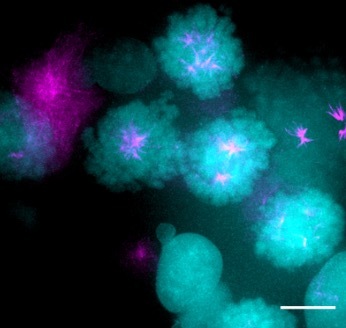
Image credit: Terrence Johns, PhD
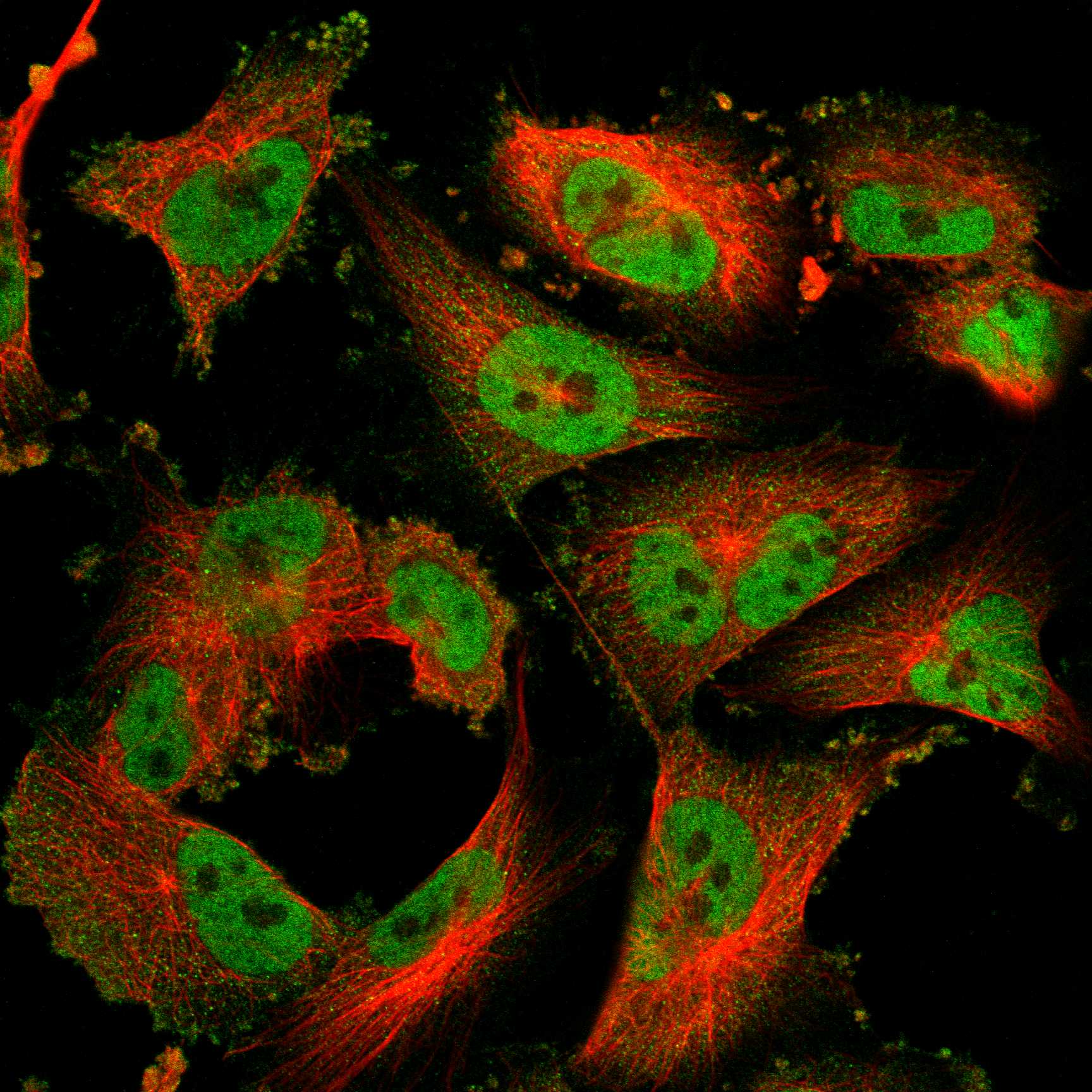
GBM cancer cells with OLIG2 (green) in the nucleus of the cells.
Image credit: Human Protein Atlas, www.proteinatlas.org. Image available from v25.proteinatlas.org/ENSG00000205927-OLIG2/subcellular
The Role of OLIG2
In many aggressive CNS malignancies, the survival of CSCs is driven by a master control switch: the OLIG2 transcription factor. OLIG2 not only fuels the unchecked growth of these CSCs but also manipulates the tumor micro-environment, actively suppressing the body's natural immune response and hiding the tumor from attack.
OLIG2 Drives Proliferation, Invasion, and Immune Evasion
Glioma Stem Cell
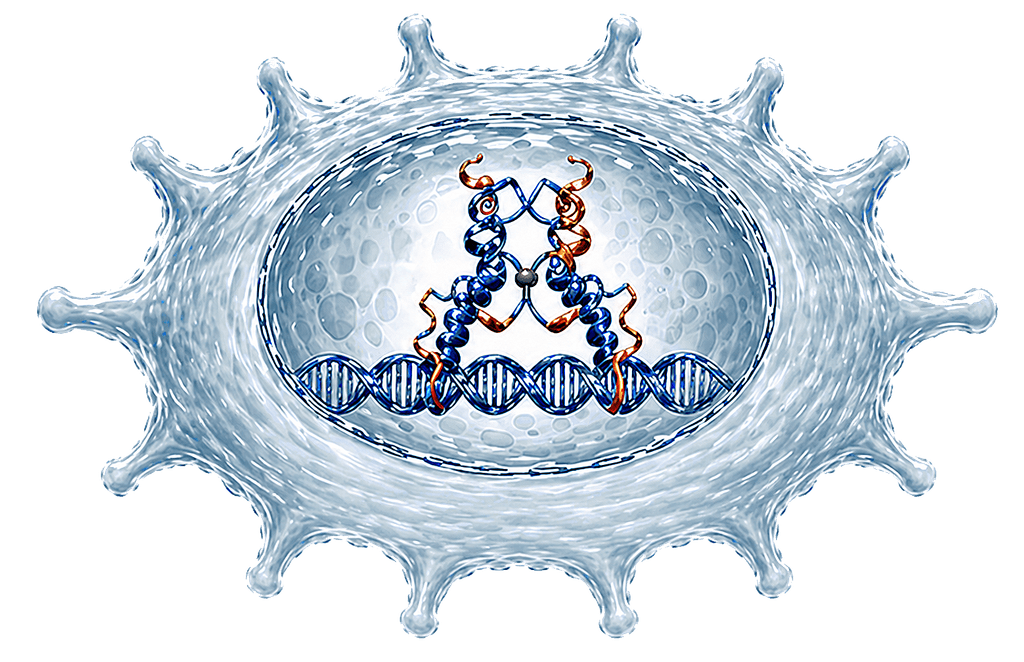 OLIG2 Dimer
Proliferation
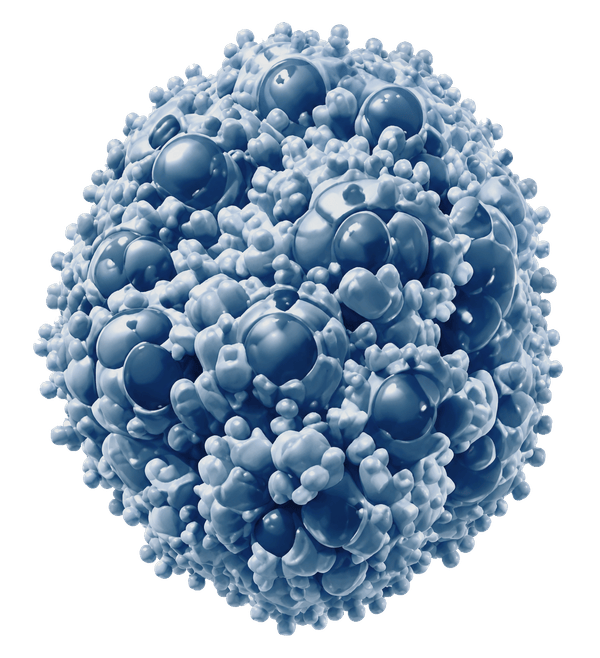
Unchecked cell proliferation
Resistance
Suppresses p53/p21 pathway
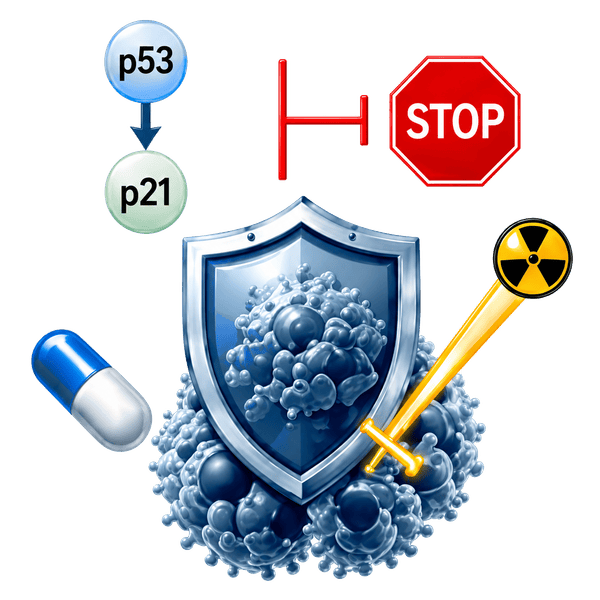
Chemo and radiation resistance
Invasion
Promotes invasion via TGFß2 signaling
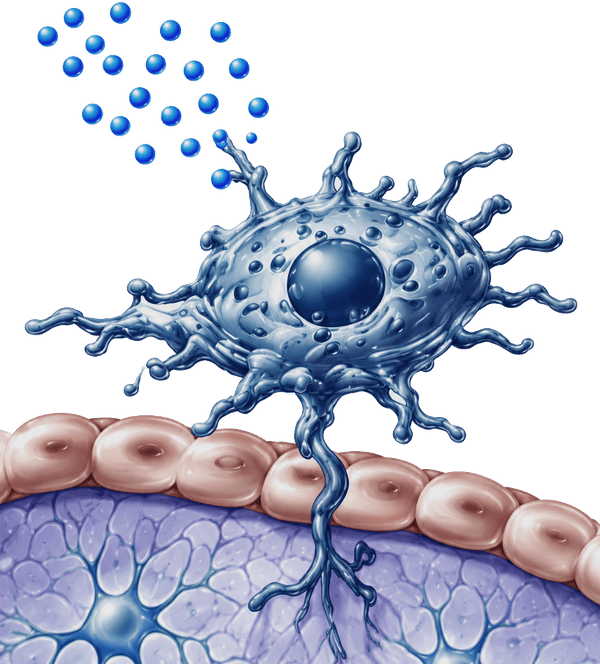
Invasion into healthy brain tissue
Immune Evasion
OLIG2-HDAC7 represses CXCL10 creating a cold microenvironment
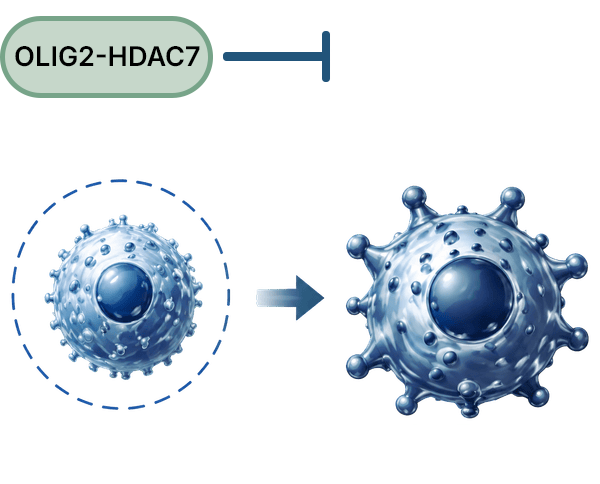
Cold Tumor Microenvironment
CT-179: A Dual-Action Breakthrough
Glioma Stem Cell
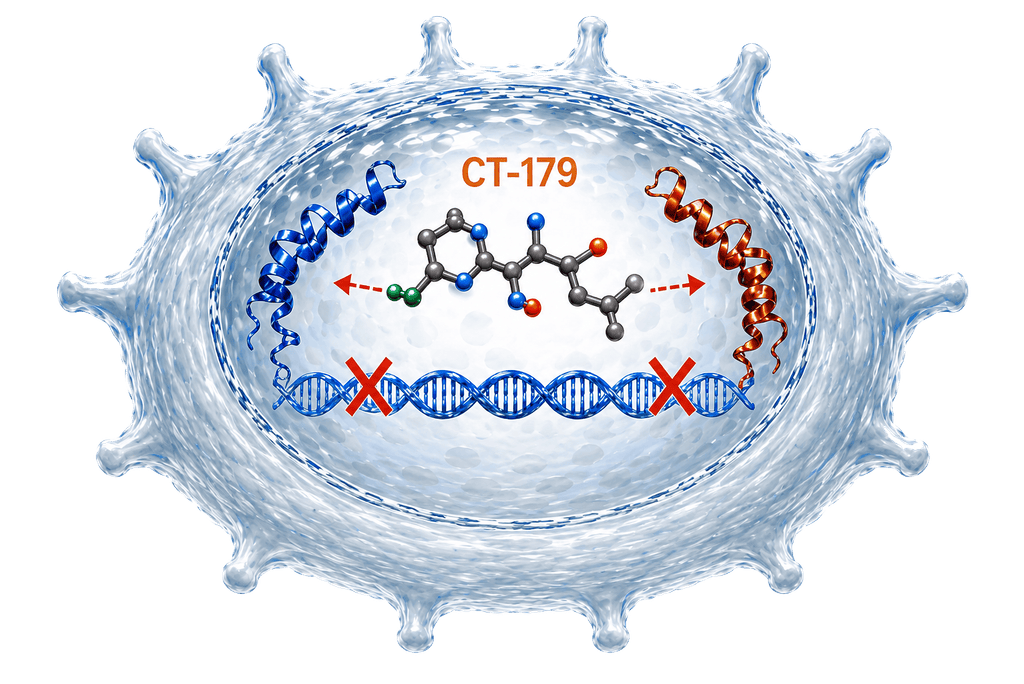
Action 1: Direct Tumor Cell Effect
Disruption of OLIG2 dimerization
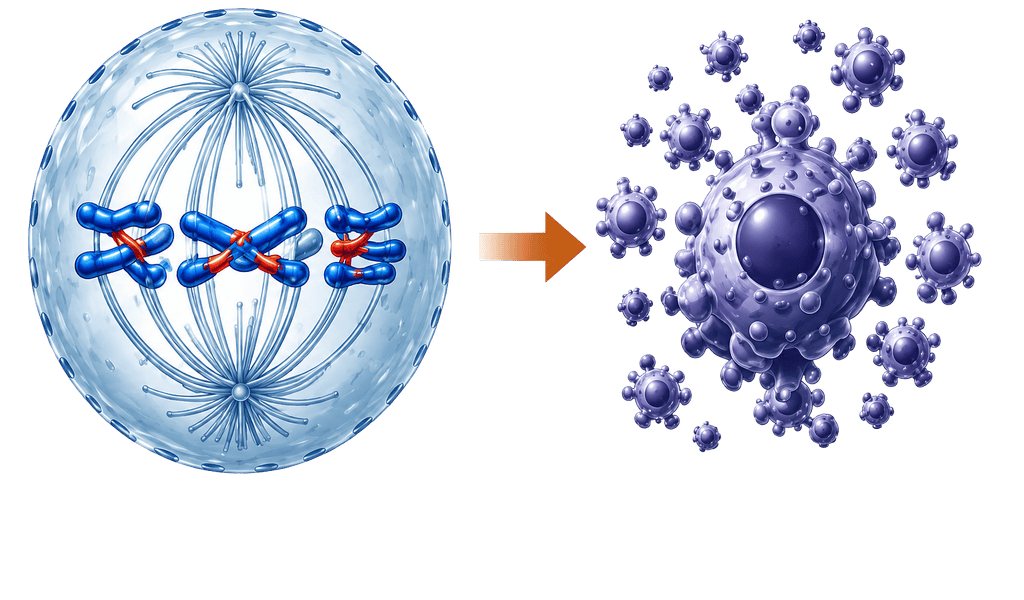
Eradicating Cancer Stem Cells
CT-179 directly kills the OLIG2-expressing CSCs, destroying the primary source responsible for tumor recurrence.
Action 2: Immune Effect
Restoration of CXCL10 expression
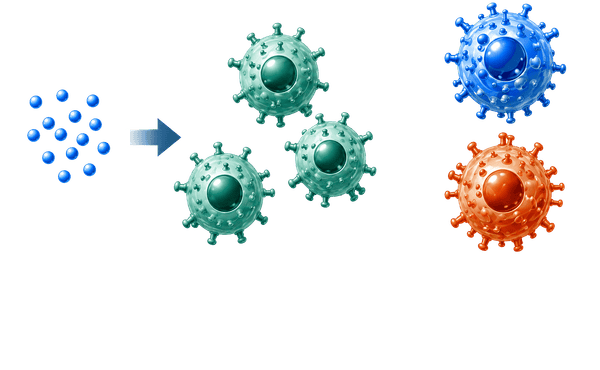
Reversing Immune Suppression
By silencing OLIG2's influence on the microenvironment,
CT-179 reverses tumor-driven immune suppression, turning a "cold" tumor environment "hot" and equipping the body’s innate immune system to fight back.